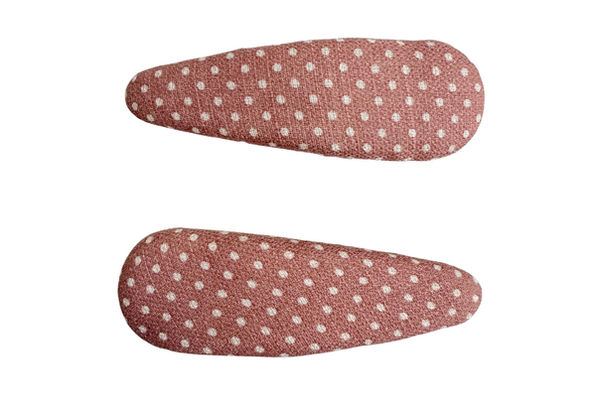
Detangling fine baby hair doesn't have to involve tears — yours or hers. Here's the South African mom's guide to detangling fine baby hair gently, quickly, and without the drama.
Detangling fine baby hair is one of the most reliably dreaded tasks in a young child's hair care routine. Done wrong, it hurts. Done with the wrong tools, it damages the hair. Done in the wrong order, it takes three times as long. Here's how to do it right — quickly, gently, and without the drama.
The Golden Rule — Always Start at the Ends
Always detangle from the tips upward, never from the roots down. Starting at the roots and dragging a brush through the length creates tension, pulls knots tighter, and breaks fine hair. Starting at the ends and working up in small sections — using short, gentle strokes — releases knots progressively without tension. This single change makes the most significant difference to how the process feels for your child.
The Right Tool
A wide-toothed comb is the best tool for fine baby hair. The wide spacing between teeth allows fine hair to move through without catching, and the gentle pressure required is far less than most brushes. A fine-toothed comb is too aggressive for fine hair and can cause significant breakage. A stiff brush can be painful when hair is tangled.
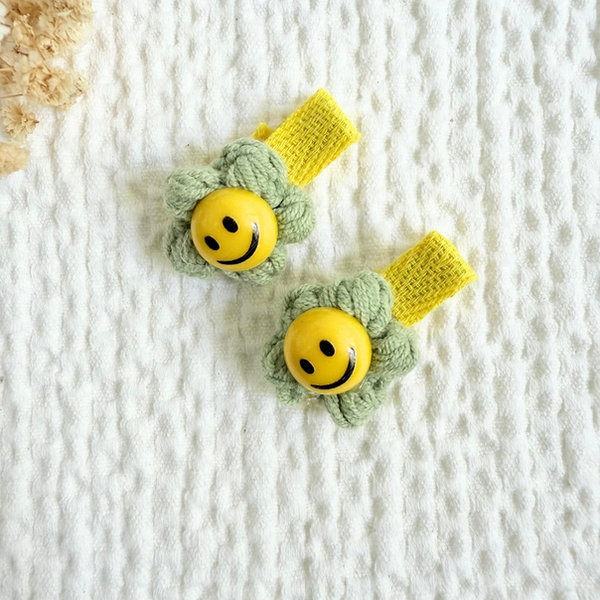
A soft-bristled baby brush is good for distributing natural oils and gentle styling once the hair is detangled — but not for working through tangles.
Detangle on damp hair, never on dry. Add a spray of diluted leave-in conditioner or a small amount of a water-based detangler to create slip. Dry fine hair tangles more easily, breaks more readily under tension, and makes the whole process significantly harder than it needs to be.
The Detangling Product That Makes the Difference
A light, water-based leave-in conditioner or detangling spray adds slip that allows the comb to work through tangles without pulling. Apply it to damp or slightly wet hair before you begin. Don't over-apply — a little goes a long way on fine hair, and too much product makes the hair look greasy and flat.
Distraction Is a Legitimate Strategy
For toddlers who resist hair detangling — which is most of them — distraction is a completely legitimate and effective strategy. A specific show that's only available during hair time, a favourite song, counting the strokes together, a story told section by section as you work. The goal is to associate hair care with something neutral or positive rather than something to dread.
Preventing Tangles in the First Place
A soft satin bonnet or a satin pillowcase reduces overnight tangling significantly. A very loose braid or two before sleep prevents the kind of morning matting that makes children cry before school. These preventive measures save time and tears every morning of the school year.
Gentle accessories for fine baby hair
Lined clips that don't pull, soft bands that don't damage. Free delivery across South Africa.
Shop accessories →